
Why Roof Inspections Are the Key to Home Safety
Understanding the importance of regular roof inspections is crucial for ensuring home safety. Roof inspections can help identify and address minor issues before they escalate into significant problems. This proactive approach not only preserves the structural integrity of your home but also protects against potential hazards. A well-maintained roof can ward off dangers posed by weather conditions, enhance energy efficiency, and boost property value. With these aspects in mind, homeowners can ensure that their properties remain safe, sound, and financially beneficial.
The Importance of Regular Roof Inspections
Identifying Potential Hazards Early
Regular roof inspections play a vital role in early detection of potential hazards. Small issues like missing shingles or minor leaks can quickly become major complications if left unattended. For instance, water infiltration that starts as a small leak can lead to mold growth and even structural damage over time. By identifying these problems early, homeowners can take corrective action before they escalate into costly repairs. Additionally, early detection helps in planning maintenance budgets, rather than being caught off guard by emergency repairs.
Routine inspections provide an opportunity to spot wear and tear caused by natural elements. Over time, factors like heat, cold, wind, and precipitation can compromise the roof's materials. According to This Old House, it's recommended that homeowners get their roofs inspected once a year or after any major weather event. This consistent verification ensures that unforeseen issues are addressed promptly. Regular monitoring of the roof's condition improves its resilience to external factors.
Beyond immediate repairs, identifying potential hazards early through inspections can also contribute to a peace of mind. Homeowners can rest assured that their living environments are safe and that there are no hidden issues lurking undetected overhead. This sense of security allows for an uninterrupted, comfortable living experience. It also plays a crucial role during home sales, providing potential buyers with evidence of a well-maintained, secure home. Consequently, investing in regular inspections translates into financial and emotional benefits.
Maintaining Structural Integrity
The roof is integral to maintaining the structural integrity of a home. It serves as the primary barrier against environmental elements like rain, snow, and harsh sunlight. Ensuring that the roof is in optimal condition helps preserve the overall strength and stability of the dwelling. Structural issues, such as sagging points or compromised supports, can exacerbate over time, leading to more severe problems like roof collapse or leaks. Regular inspections help identify such vulnerabilities to maintain the home's solid foundation.
Maintaining a structurally sound roof also contributes to the long-term durability of the home. Structural inadequacies can permeate beyond the roof, affecting walls, ceilings, and floors. By detecting and addressing issues early through routine assessments, homeowners protect the comprehensive framework of their dwelling. Effective maintenance preserves the property's value while ensuring it remains safe for its occupants. Long-term resilience is thus achieved through meticulous upkeep.
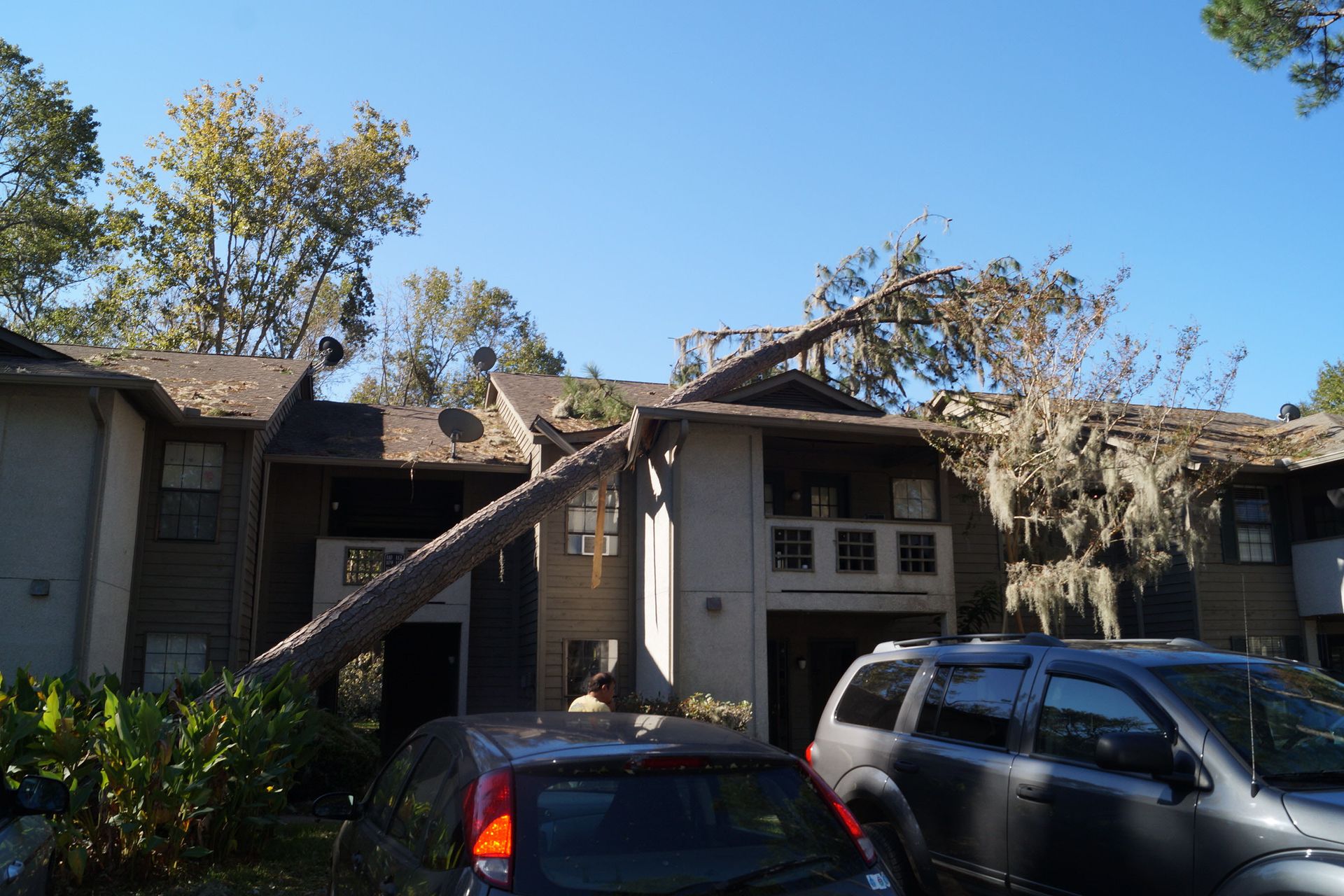
Furthermore, a well-maintained roof enhances a home's defenses against severe weather conditions. Storms, wind, and hail pose substantial threats to a compromised roof, leading to widespread damage. A roof inspection before and after major weather events, as recommended, ensures that any damage is promptly addressed. Through resilience and preparedness, a structurally sound roof withstands nature's onslaught while safeguarding the home's interior. Consequently, consistent inspections sustain the strength and defense of the home.
Preventing Costly Repairs
One of the prime benefits of regular roof inspections is the prevention of costly repairs. By addressing minor problems such as small leaks or loose shingles, homeowners avoid the extensive damage that repair neglect can cause. Neglected roofs can lead to severe water damage, structural instability, and increased pest invasions, all of which result in substantial repair expenses. Early intervention minimizes the risk of such costly problems. Proactive maintenance keeps budgets in check while preserving home value.
Regular maintenance ensures that repair expenses are manageable over time. It eliminates the financial strain of sudden, significant repairs brought on by accumulated damage. Roof inspections, therefore, serve as a preventive measure, ensuring that homeowners are never burdened with staggering repair bills. Consistent attention to the roof reduces the frequency and severity of required repairs. Long-term financial stability for homeowners is significantly enhanced through routine check-ups.
Moreover, identifying and addressing issues before they become major problems fosters a cost-effective approach to homeownership. Preventive roof maintenance saves money in the long run by minimizing the need for major repairs or replacements. It ensures that homeowners derive the maximum lifespan from their roofs, thereby reducing expenses. The financial benefits of regular inspections cannot be overstated, as they ensure cost-effective, long-term property care. In the process, the home's market value is sustained, providing financial security and potential for profit upon resale.
Extending the Lifespan of the Roof
Routine roof inspections directly contribute to extending the lifespan of the roof. This approach maximizes the return on investment for the initial installation and ongoing maintenance of the roof. Regular inspections ensure that the roof is free from issues that could cut its lifespan short. Factors like moss growth, material degradation, and small leaks are promptly addressed to prevent long-term damage. Consequently, the roof serves its function over an extended period, providing lasting protection.
Further, consistent roof evaluations and maintenance allow homeowners to better plan for future improvements rather than replacements. A prolonged roof lifespan delays the necessity for costly undertakings such as a full roof replacement. Inspections ensure that issues detrimental to longevity, like blocked gutters or inadequate sealing, are resolved. This proactive approach both sustains and extends the roof's usefulness over time. Homeowners benefit from efficient utilization of resources devoted to roof care.
Extending the roof's lifespan through regular inspections compounds the benefit of financial savings over time. Repair costs are lowered, insurance rates may be more favorable, and potential resale value increases. An optimized roof minimizes ongoing costs while adding value to the property. Regular care establishes predictability and reliability in the roof's performance, fostering enduring returns on investment. In sum, inspections are essential for maintaining a durable, long-lasting roof.
Enhancing Property Value
Regular roof inspections contribute to enhancing property value. A well-maintained roof reflects the overall care afforded to a home, leaving a positive impression on potential buyers. The roof is often one of the first aspects assessed in real estate transactions, impacting the perceived value of the property. A roof in disrepair can detract from the home's aesthetic appeal and marketability. Regular inspections uphold a roof's visual and functional integrity, contributing to its desirability.
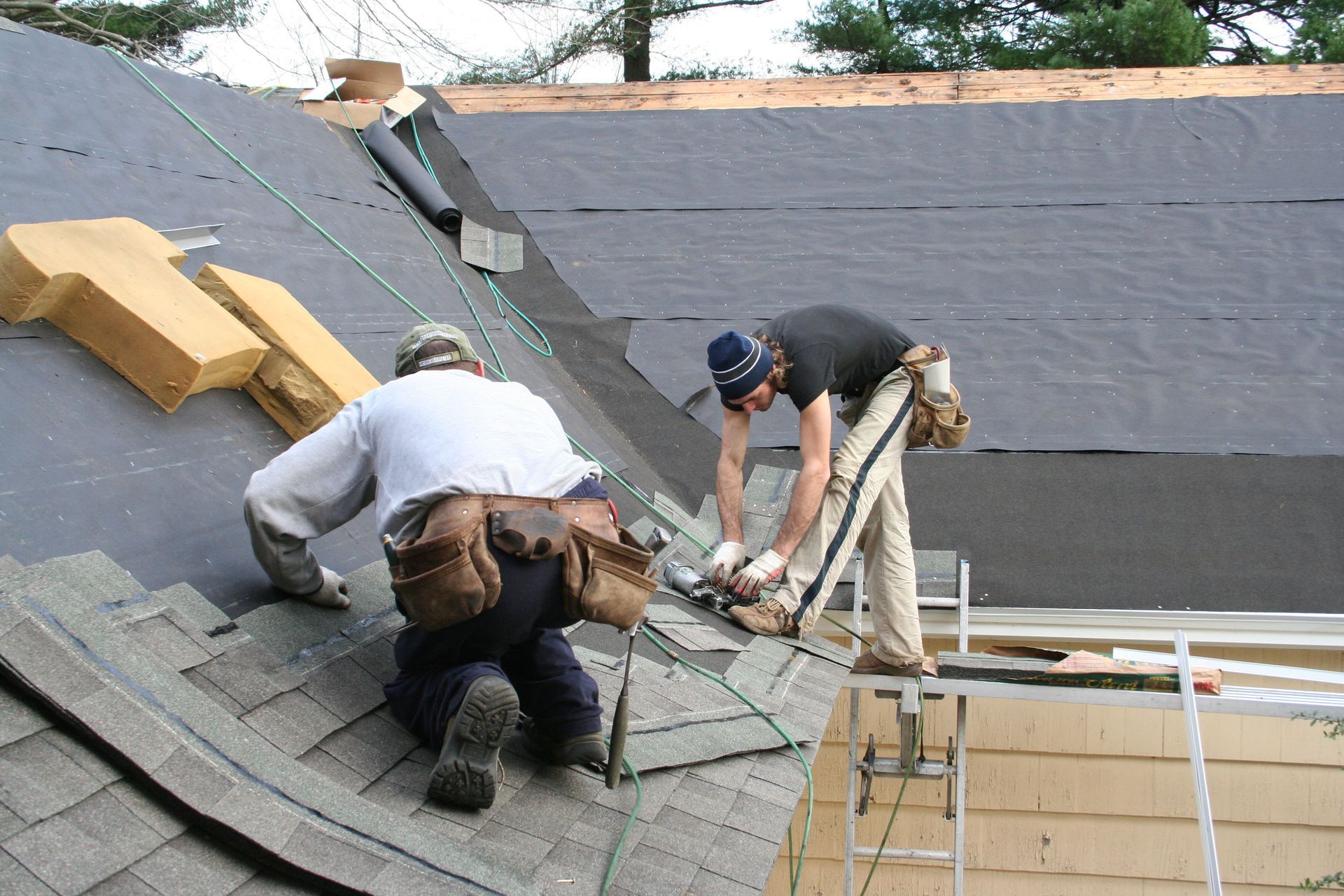
An essential component of roof inspections is examining the condition of the shingles. Shingles serve as the primary protective layer against weather elements and must remain intact to ensure overall effectiveness. Inspectors meticulously check for signs of wear, such as cracks, curling, or missing shingles. These symptoms can lead to water intrusion and structural damage if not promptly addressed. Regularly assessing shingle health during inspections ensures optimal functionality and long-term roof integrity.
During a shingle examination, inspectors also look for indications of age or weathering. Shingles that begin showing granular loss or discoloration often signal that they need to be replaced. The life expectancy of shingles can vary, and timely replacement of compromised sections ensures ongoing roof reliability. Regular inspections help determine which shingles need maintenance or repair, extending the roof's longevity. Homeowners maintain control over roofing performance by giving due attention to shingle conditions. Be sure to reach out to Territorial Roofing Co Inc today to learn more about our professional residential roofer!

Share On: