

Why Is Asphalt Shingle the Most Popular Roofing Material?
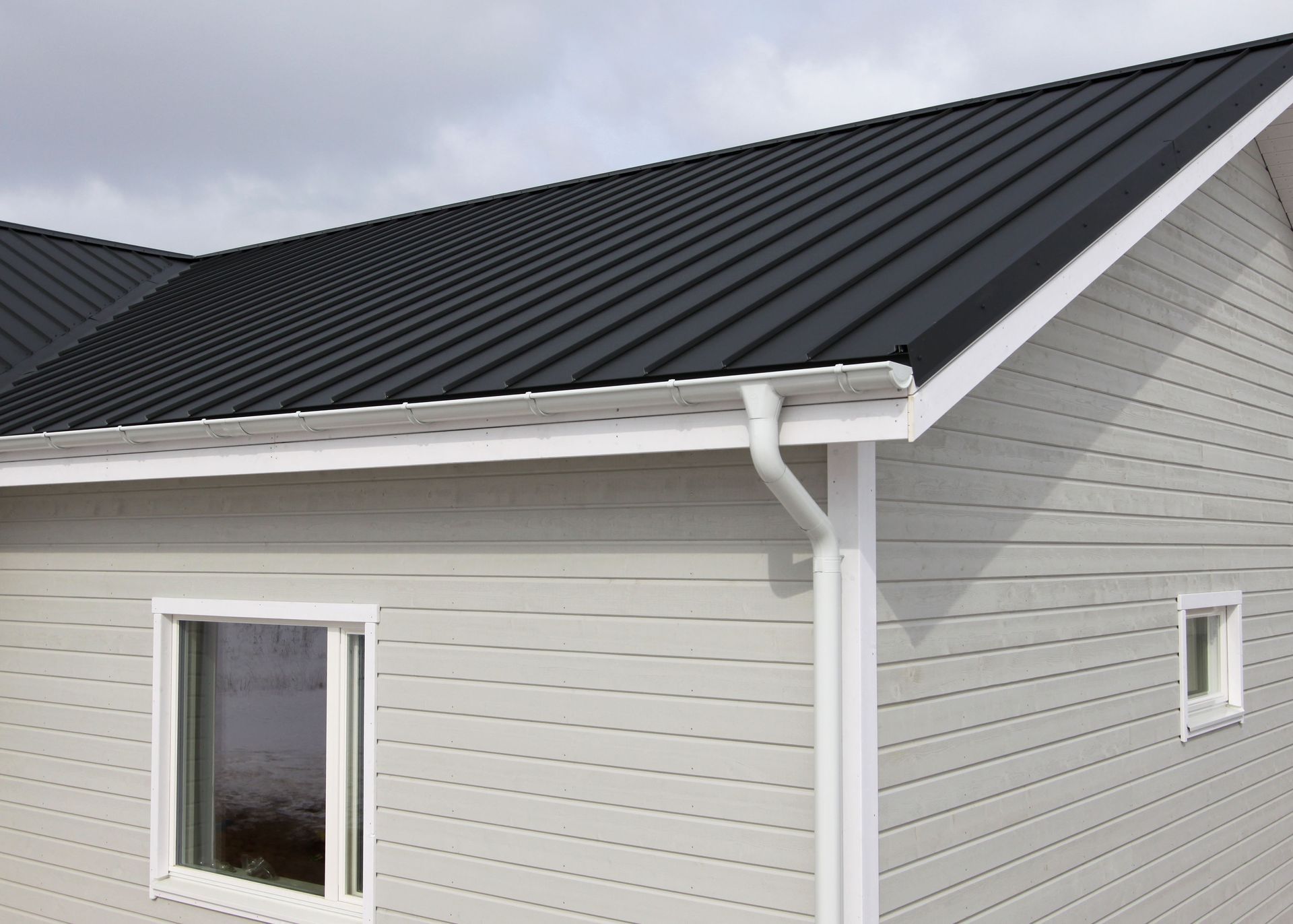
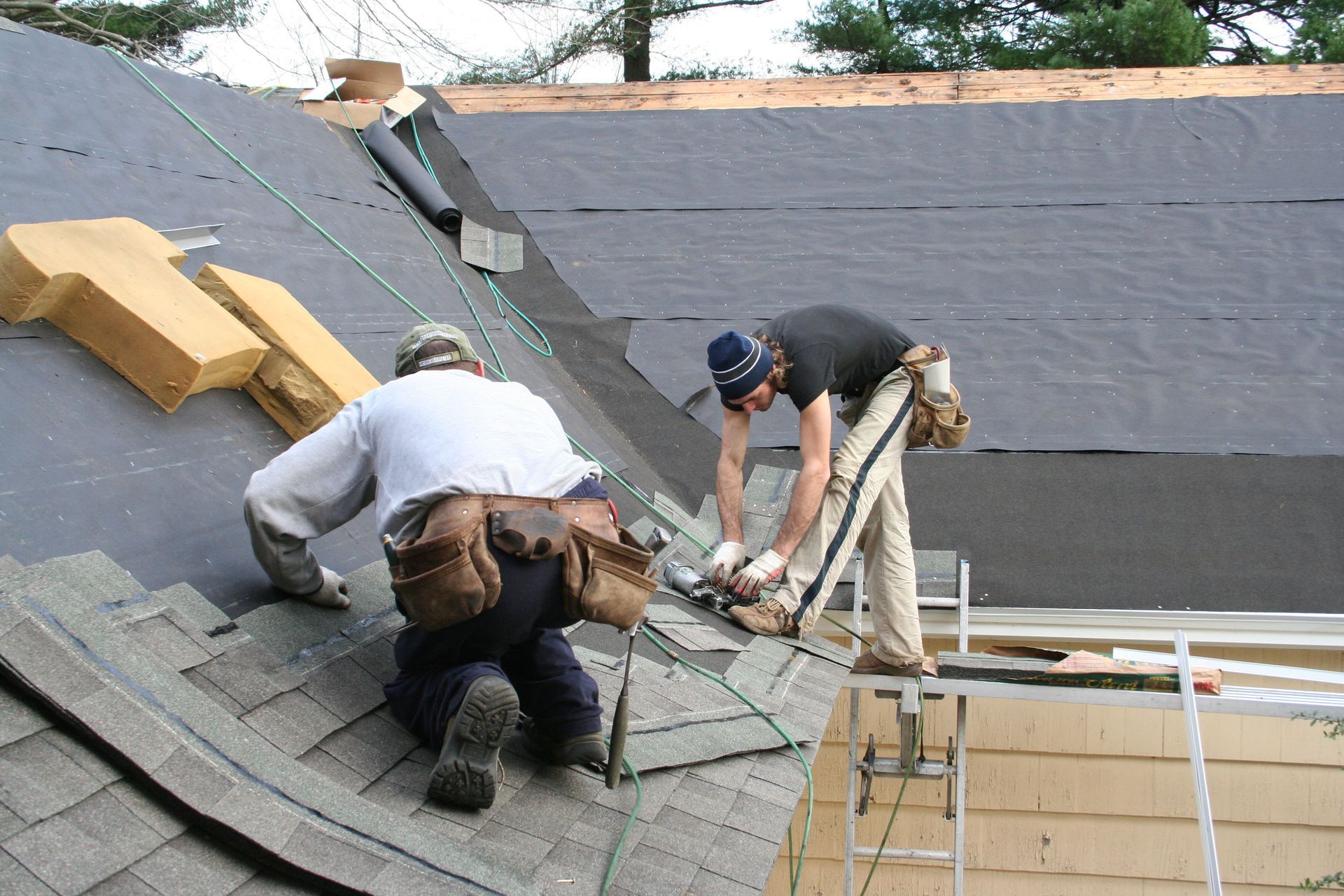
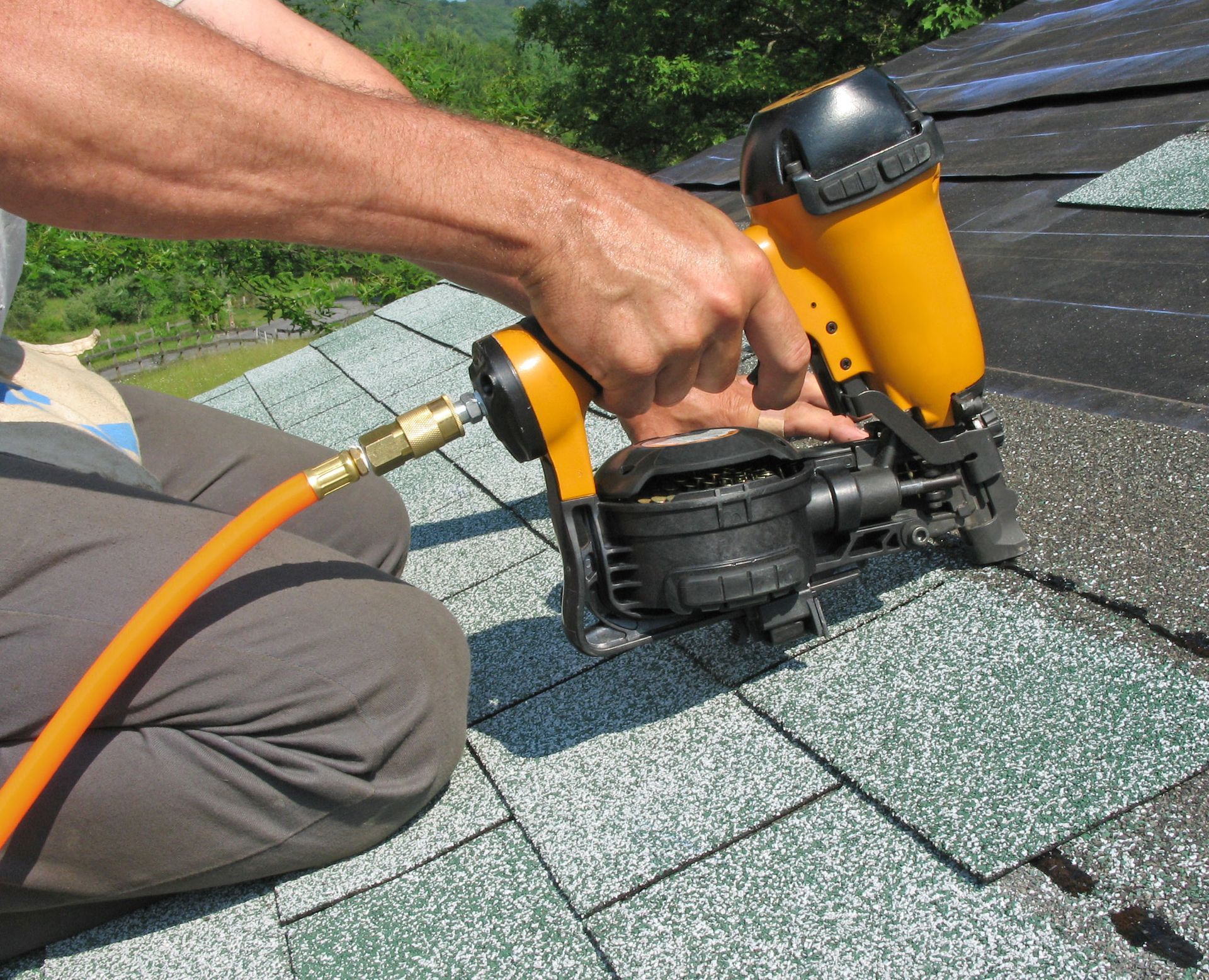
The choice of roofing material significantly impacts both the aesthetic and functional qualities of a home. Among various options like metal, tile, and wood, asphalt shingles have gained remarkable popularity across diverse regions. This widespread preference is not solely due to aesthetics but stems from a combination of factors that make asphalt shingles an all-around performer. Their affordability, versatility, durability, and ease of installation contribute greatly to their dominance in the roofing industry. For many homeowners, working with a residential roofing company can make it easier to compare asphalt shingles with other materials and choose an option that fits the home’s needs.
Aesthetic Versatility
Variety of Styles
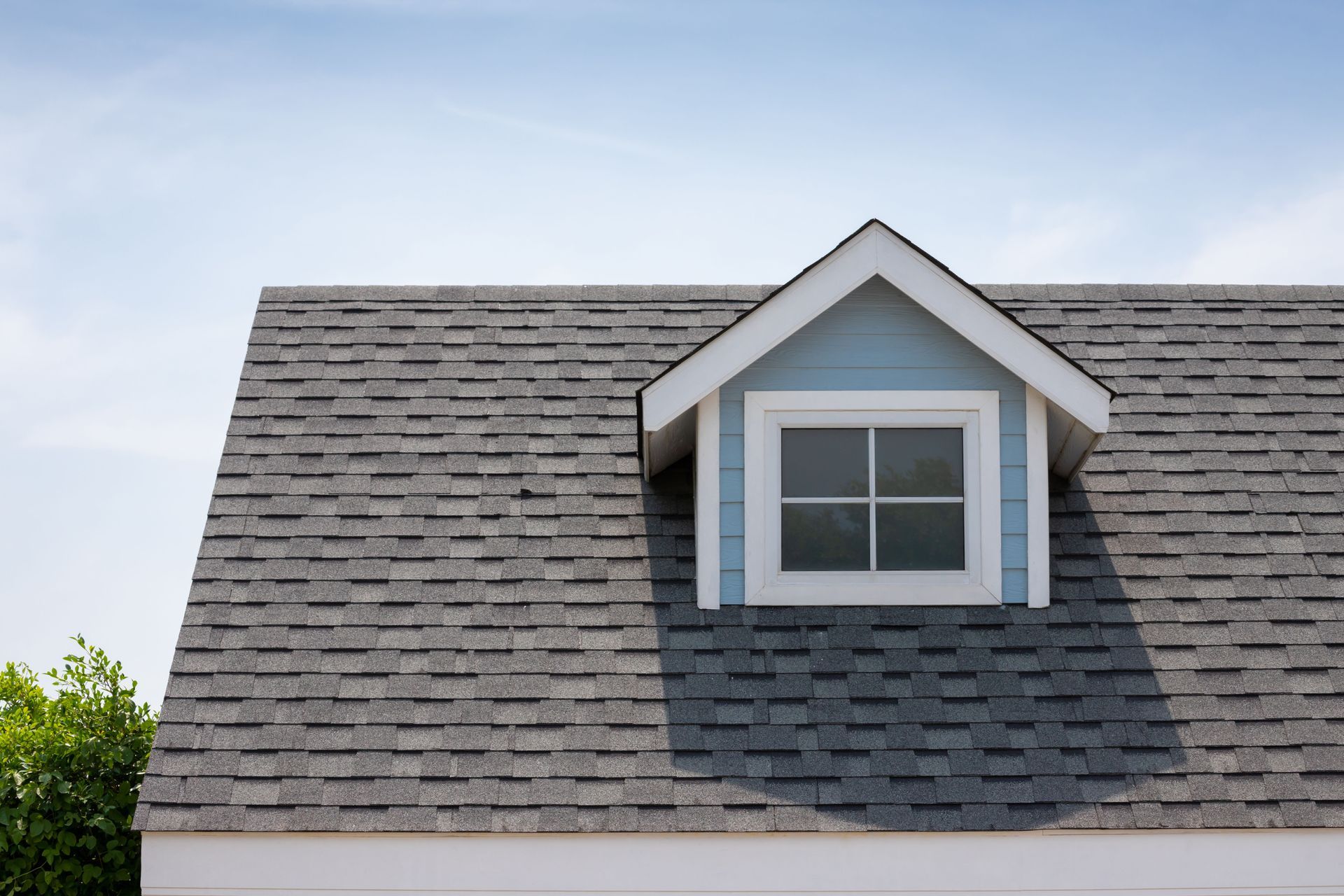
The aesthetic appeal of asphalt shingles is notable, with a vast array of styles available to suit different architectural designs. Homeowners can choose from traditional three-tab shingles to more dimensional architectural shingles, each offering a unique look. The flexibility in style means that homeowners can select shingles that complement their home's exterior, enhancing its overall visual appeal. Asphalt shingles can mimic the appearance of other materials such as slate or wood, allowing homeowners to achieve their desired aesthetic without the higher costs associated with those materials. This versatility is particularly beneficial for those seeking to add value and attractiveness to their property.
Color Options
In addition to style options, asphalt shingles are available in a wide range of colors, allowing homeowners to customize their roofing to match their personal preference and home color scheme. From classic neutrals to more vibrant hues, the color palette available is extensive. This variety allows for personalized expression, helping homeowners achieve the look they desire. Moreover, certain color options can also complement the climate by enhancing the reflective properties of the shingles, thereby improving energy efficiency. A residential roofing company can help homeowners compare color options that suit both the property’s design and practical needs.
Texture and Patterns
Beyond colors and styles, asphalt shingles also offer a range of textures and patterns. These design elements can add depth and character to a home, creating a distinctive presence. Textured shingles can resemble natural materials like wood or stone, offering the charm and sophistication of these materials without the accompanying drawbacks. The ability to choose from different patterns allows homeowners to tailor their roof's appearance to suit personal taste and architectural style. This capability to customize helps increase the curb appeal of properties, further cementing the popularity of asphalt shingles.
Weather Resistance
Waterproof Properties
Asphalt shingles boast impressive waterproof properties, making them a reliable option for preventing water infiltration. Their design includes layers of material that effectively shield against rain and moisture, keeping homes dry and protected. These properties reduce the risk of water damage, leaks, and associated repair costs, providing peace of mind to homeowners. Asphalt shingles' ability to withstand heavy rains and snow melt is a testament to their engineering and durability. This weather resistance is an essential advantage that contributes to their popularity as a roofing material.
Wind Resistance
In addition to waterproofing, asphalt shingles are known for their wind resistance, capable of enduring high wind speeds without losing integrity. This characteristic is especially valuable in regions prone to storms and hurricanes, where wind damage is a significant concern. Improved manufacturing techniques and design enhancements have reinforced shingles against lifting and tearing, even under intense wind conditions. A residential roofing company can recommend wind-rated asphalt shingles that fit local weather conditions and the structure of the home. As a result, asphalt shingles are a preferred choice for durability and reliable performance in adverse weather.
Fire Resistance
Fire resistance is another noteworthy feature of asphalt shingles, providing added safety benefits to homeowners. Many shingles have a Class A fire rating, the highest rating available, indicating excellent resistance to fire spread and penetration. This fire-resistant quality is critical in reducing the risks associated with external fires, contributing to overall home safety. For homeowners in areas prone to wildfires, this added protection offers valuable reassurance. The fire resistance of asphalt shingles is yet another factor that underscores their value as a leading roofing material.
Impact Resistance
Impact resistance is a critical property of asphalt shingles, protecting homes from potential damage caused by hail and debris. Impact-resistant shingles are designed to endure strong impacts without cracking or breaking, maintaining roof integrity in severe weather conditions. This durability is essential in regions prone to hailstorms, where roof damage is a common issue. By choosing impact-resistant asphalt shingles, homeowners can reduce repair and maintenance costs while preserving the structural safety of their homes. A residential roofing company can help property owners decide whether impact-resistant shingles are worth considering based on local storm patterns.
Environmental Considerations
Recyclability
The recyclability of asphalt shingles is an important environmental consideration that benefits both homeowners and the planet. When shingles reach the end of their lifecycle, they can be recycled into new products or used in road construction, reducing waste sent to landfills. This sustainable practice aligns with a growing movement toward environmentally conscious construction methods. Homeowners can feel confident in choosing a roofing material that supports resource conservation and waste reduction. The capability to recycle asphalt shingles emphasizes their role in greener building practices.
Energy-Efficient Manufacturing
Advancements in manufacturing processes for asphalt shingles have also increased their energy efficiency. Improved production techniques reduce environmental impacts by minimizing emissions and resource consumption. Many manufacturers are committed to sustainability, integrating renewable energy sources and recycling initiatives into production. This focus on sustainable manufacturing practices means the environmental footprint of asphalt shingles is continually reduced. For eco-conscious homeowners, this emphasis on energy-efficient production is an attractive feature that complements the material's other benefits.
Algae Resistance
Innovations in asphalt shingle technology have led to enhanced algae resistance, a common challenge in humid climates. Algae growth can discolor roofs and require frequent cleanings, leading to increased maintenance time and costs. Manufacturers now offer shingles with algae-resistant coatings or treatments, effectively minimizing discoloration and reducing chemical runoff. These algae-resistant products maintain a cleaner appearance and require less maintenance, an attractive benefit for busy homeowners. A residential roofing company can help homeowners identify algae-resistant shingles that may be useful in damp or shaded environments.
Reflective Technology
Reflective technology in asphalt shingles is another innovation designed to boost energy efficiency. "Cool roof" shingles are coated with reflective granules that lower heat absorption, reducing indoor cooling requirements. In hotter climates, this feature can decrease energy usage significantly, offering long-term cost savings for homeowners. Reflective shingles combine practicality with environmental benefits, supporting efforts to reduce energy consumption and promote sustainable living. This technology aligns with growing homeowner demand for products that balance efficiency and ecological considerations.
Life Cycle Assessment
A comprehensive life cycle assessment of asphalt shingles reveals their overall environmental impact, from raw material extraction to recycling. This assessment helps identify areas for improvement, guiding industry innovations toward more sustainable practices. According to Roofer's Guild, a typical roof lasts between 25 and 50 years. By choosing materials like asphalt shingles that undergo thorough life cycle evaluations, homeowners can support transparency and environmental responsibility. This life cycle perspective helps manufacturers and consumers focus on reducing the ecological effects of construction throughout the product's use. Consequently, asphalt shingles continue to be an attractive choice for environmentally aware homeowners.
The enduring popularity of asphalt shingles as a roofing material stems from their benefits across multiple areas. Their affordability, ease of installation, and aesthetic versatility make them an attractive option for a wide range of homeowners. Additionally, their durability, weather resistance, and environmental considerations enhance their appeal as a reliable and responsible choice. The extensive availability and strong supply chain make asphalt shingles a practical and convenient option for many roofing needs. As technology and sustainability efforts continue to evolve, asphalt shingles are likely to remain a leading roofing material, especially when homeowners work with a residential roofing company that can help them choose the right product for their home. Contact Territorial Roofing Co Inc today to learn more.

Share On: